
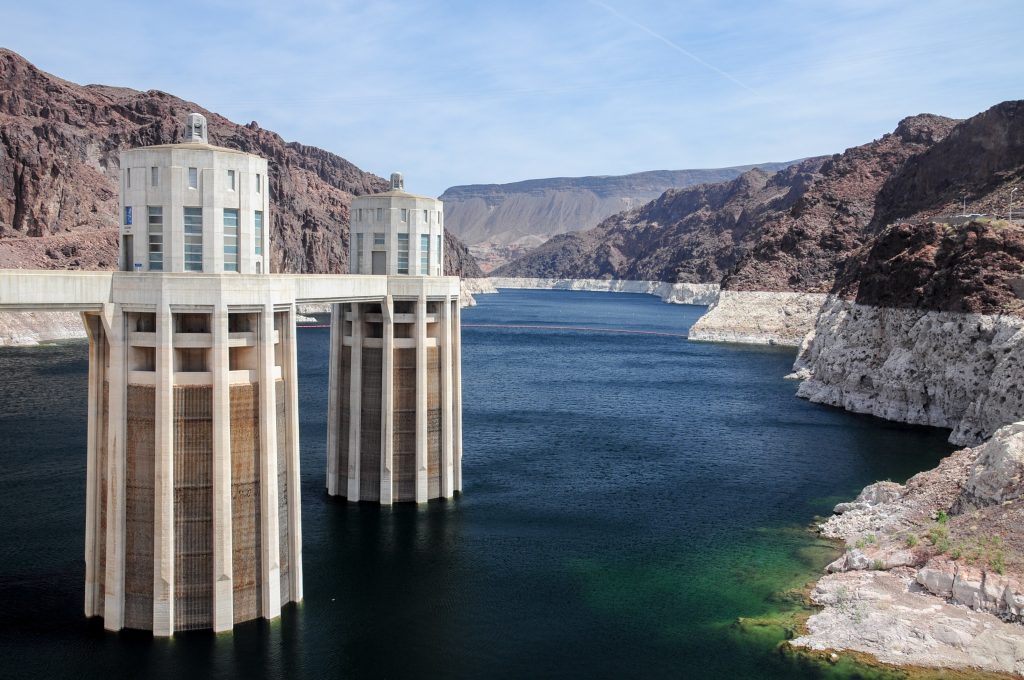
The hydropower sector, responsible for generating nearly 17% of the world’s electricity, is a key player in the global shift towards sustainable energy. However, it faces the challenge of keeping pace with rapidly evolving technologies and the corresponding need for specialized skills. This is where Talent as a Service (TaaS) emerges as a pivotal solution, providing access to the necessary expertise to foster innovation and drive the sector forward.
The Role of TaaS in Driving Innovation:
In the realm of hydropower, the need for diverse and advanced engineering skills is more critical than ever. TaaS offers a versatile approach to sourcing these skills, essential for adapting to technological advancements in areas like computational fluid dynamics, advanced materials, and environmental sustainability.
Access to Cutting-Edge Skills: TaaS connects hydropower companies with a global talent pool, offering expertise in emerging technologies. The renewable energy sector has seen a 30% increase in specialized skill demand over the past three years, as reported by a Global Energy Talent Index.
Agility in Project Implementation: Through TaaS, companies can swiftly assemble expert teams, reducing project initiation time significantly. According to IRENA, the time from project conception to completion in hydropower has been reduced by approximately 20% in the last decade, thanks to such flexible staffing solutions.
Cost-Effective Innovation: TaaS reduces long-term employment overheads, allowing for a 25-35% reallocation of funds towards research and development, as indicated by the International Energy Agency. This is crucial in a sector where the average R&D investment is approximately 5% of total project costs.
Collaboration and Cross-Pollination of Ideas: TaaS promotes diverse team collaboration, crucial for innovation. Studies show that diverse teams are 33% more likely to outperform in terms of profitability and efficiency, according to McKinsey & Company.
Sustainable Engineering Practices: With a focus on sustainability, TaaS has contributed to a 45% increase in eco-friendly innovations in hydropower over the last five years, aligning with the trends observed in the Global Sustainable Energy Innovation Index.
Challenges and Considerations:Despite its advantages, TaaS implementation poses challenges like aligning external talent with company culture and managing remote, diverse teams effectively.

Conclusion
TaaS stands as a key enabler of innovation in the hydropower sector. By facilitating access to specialized skills, enhancing agility, and driving cost-effective innovation, Innovation M Engineering Services leverages TaaS as a strategic tool in shaping the future of sustainable hydropower. As the global energy landscape evolves, the strategic use of TaaS in fostering innovation and efficiency will become increasingly vital in maintaining hydropower’s role as a major contributor to the world’s renewable energy portfolio.